Smith Mechanical Field Services

Services

From the phone call to a running line.

Printing presses come first. Around them: installs, leveling, troubleshooting, commissioning, and retrofits on automated lines. The work stays with this company from the call to startup.

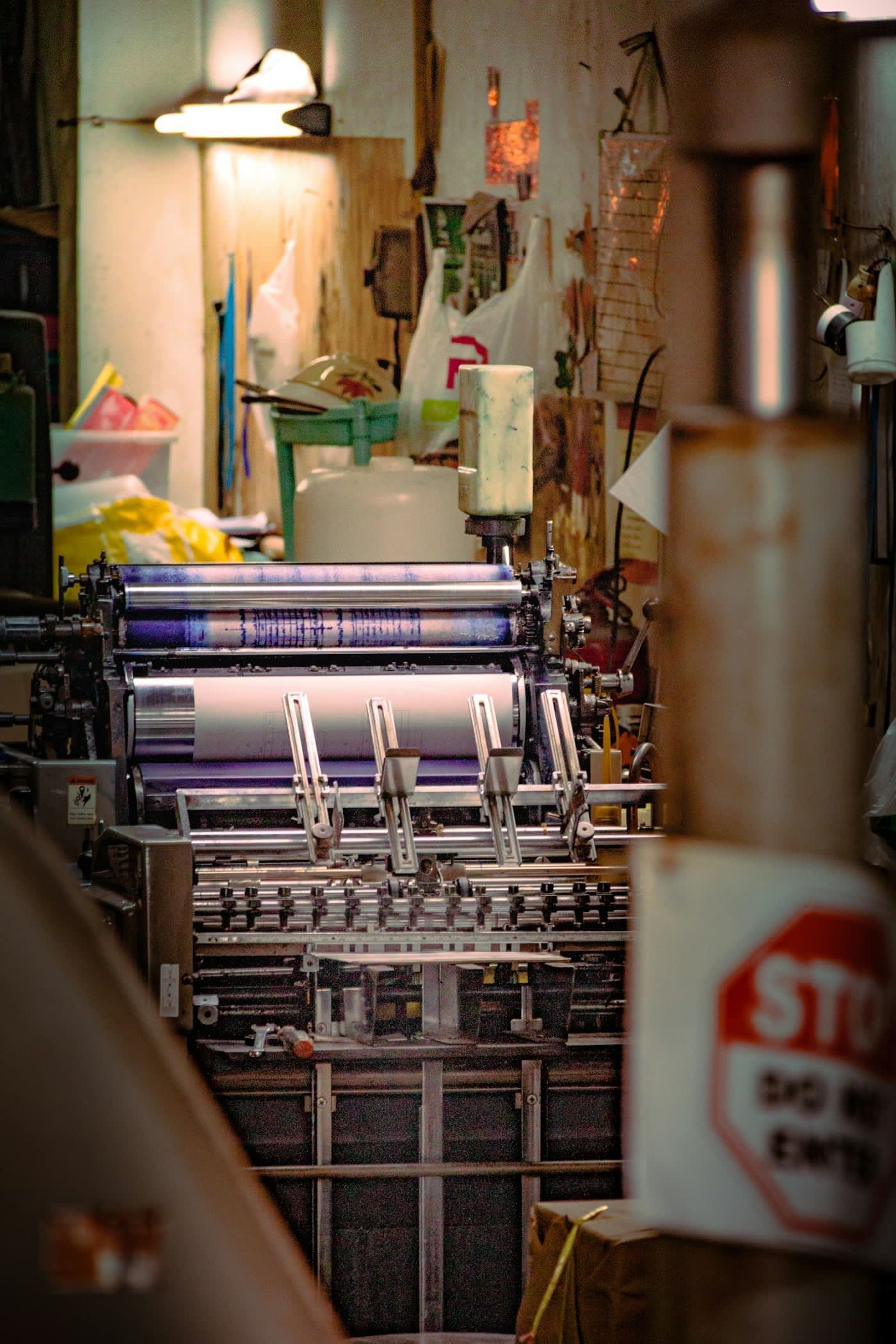
Ink rollers and cylinders on an industrial printing press, with no people in the frame.
FIG. 03Illustrative · NTS

Press rollers and cylinders. Illustrative. Not a Smith Mechanical Field Services job.

Aleksandr Galichkin. Unsplash License. Source

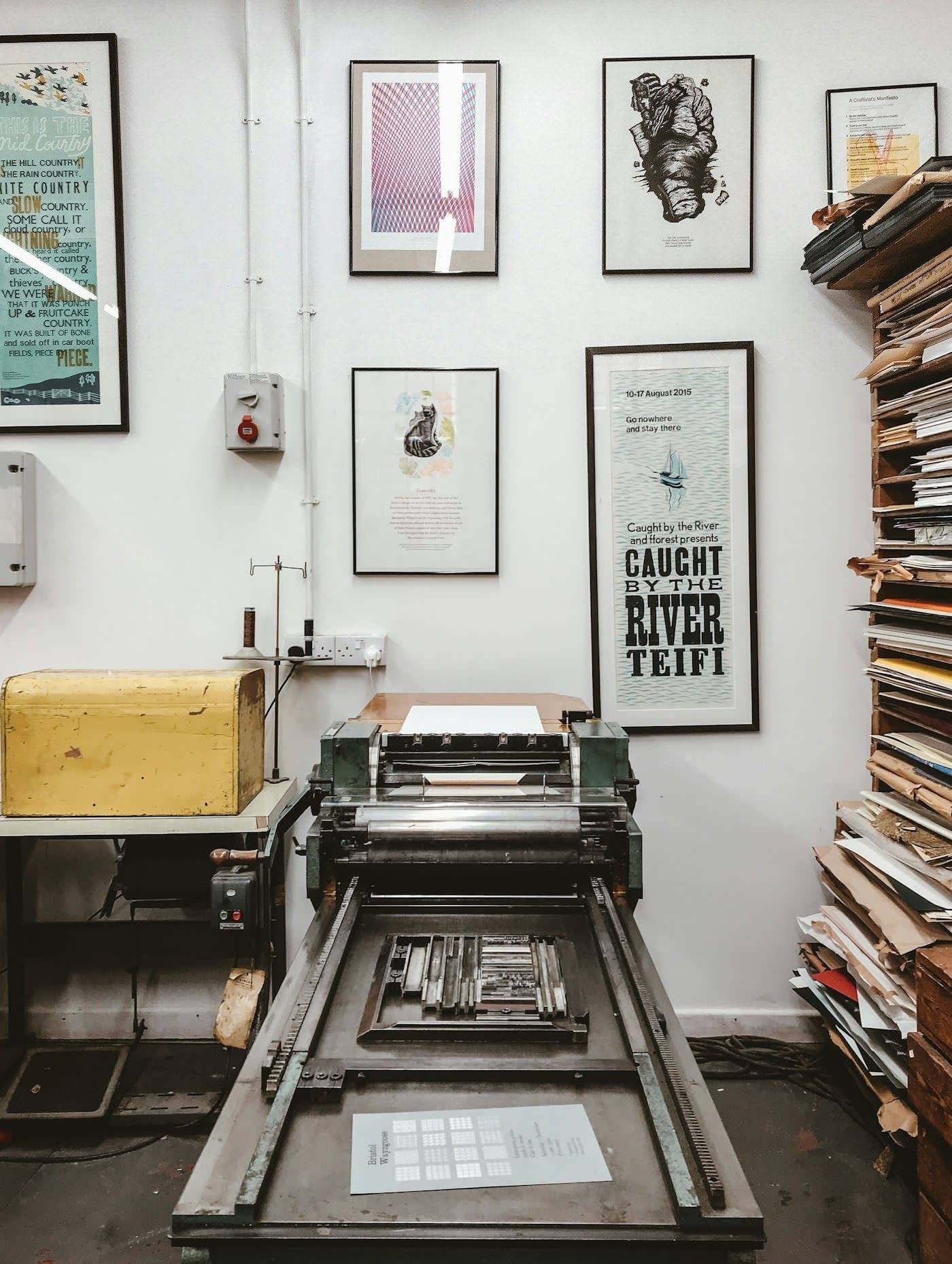
A vintage green platen printing press against a workshop wall, with no people in the frame.
FIG. 02Illustrative · NTS

Vintage platen press. Illustrative. Not a Smith Mechanical Field Services job.

Nik. Unsplash License. Source

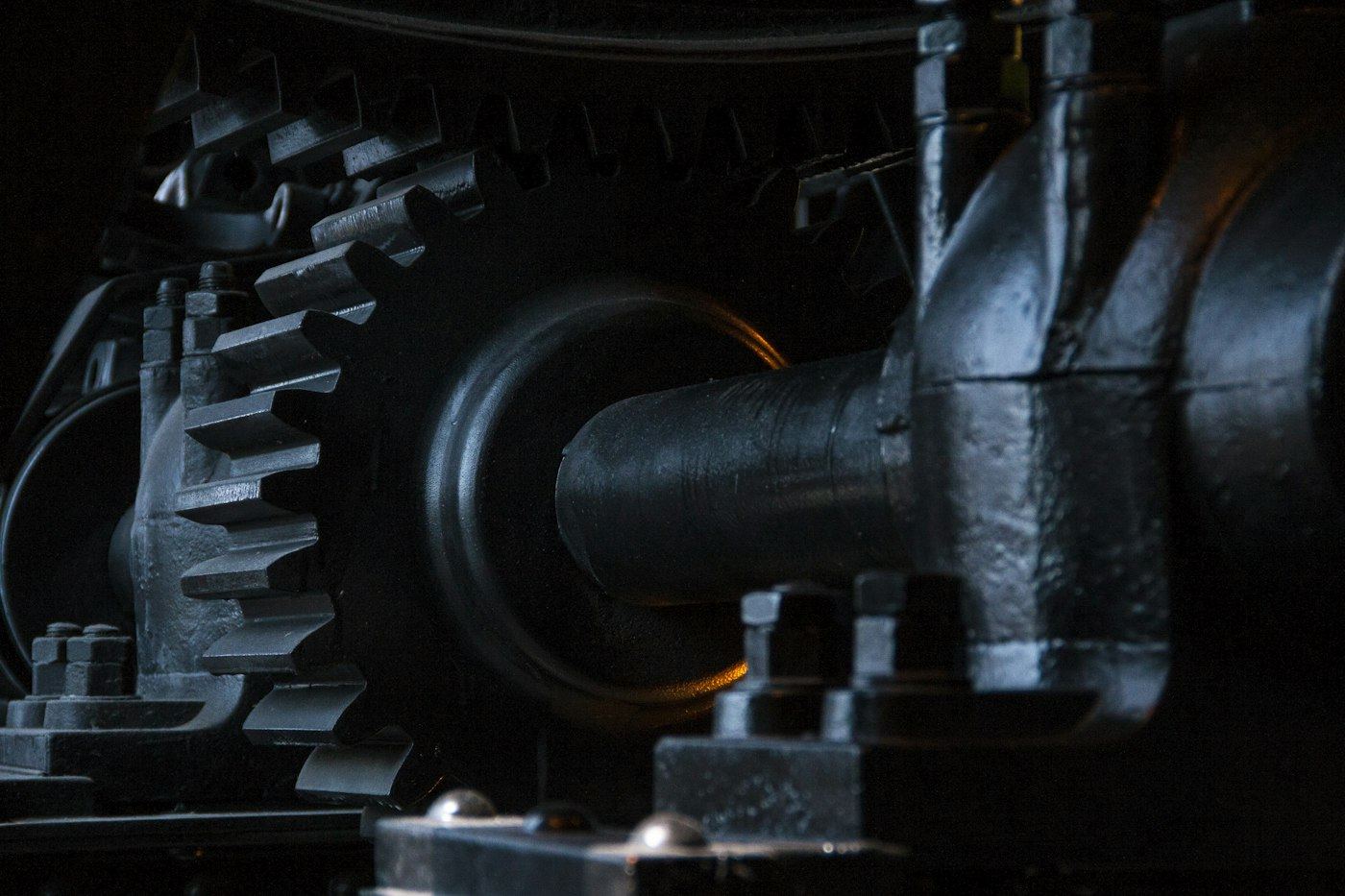
Close view of dark interlocking metal gears, with no people in the frame.
FIG. 07Illustrative · NTS

Gear train. Illustrative. Not a Smith Mechanical Field Services job.

Isis França. Unsplash License. Source

01

Printing press service

Printing presses are the work we lead with. A unit out of register, a press that arrived and still needs to be set and leveled, a line that was moved and never truly reset. We troubleshoot the mechanical path, align it, and stay through startup. Sheetfed, letterpress, and the converting equipment beside the press.

  • Setup, register, and alignment
  • Install, level, and anchor
  • Breakdown repair on presses and converting equipment
  • A reset after a move or a retrofit

02

Machine installation, leveling, and alignment

A machine that is out of level eats bearings and seals. We receive it, set it, level it, anchor it, and align it, and we coordinate the utility tie-in with your people. New iron or a machine that has walked itself loose.

  • Setting, leveling, and anchoring
  • Alignment that protects bearings and seals
  • Utility tie-in coordinated with your crew
  • Soft-foot and base problems, not just the coupling

03

Troubleshooting and breakdown repair

A jam, a drift, a drive that faults, a sensor that lies. We work the mechanical side and the controls side until the cause is clear, then we fix that cause. Sensors, drives, pneumatics, and the iron around them.

  • Line-down calls come first
  • Root cause before a parts swap
  • Sensors, drives, pneumatics, and timing
  • We stay until it runs

04

Line commissioning and startup

Dry runs, I/O checks, speed and timing, then a handoff the operator can actually use. We stay through startup instead of leaving at the end of the install.

  • Dry runs and I/O checks
  • Speed and timing tuned on the line
  • Operator handoff
  • Notes and photos of what was set

05

Retrofits on automated lines

Transfers, guards, timing, and the mechanical changes that let an older automated line stay in production. We work the iron and the controls together, and we machine a part when the original is gone.

  • Transfers, guards, and timing
  • Controls and the machine they run
  • Parts made when the OEM no longer sells them
  • A written record of what changed

06

Machining and part repair

Shafts, bushings, and custom parts, cut to the tolerance the machine actually needs. Obsolete parts get measured and made, on site when the job allows and in the shop when it doesn't.

  • Lathe and mill
  • Shafts, bushings, and one-off parts
  • Reverse-engineering a part that is no longer made
  • On-site machining when the repair cannot wait on a ship date

07

Food-processing lines

We have worked noodle plants, candy automation, and dog food processing. Sanitary design matters on those floors. The job is to make the line you already have run.

  • Noodle and pasta lines
  • Candy and confectionery, including depositors
  • Pet-food extrusion and packaging
  • Sanitary-design awareness on food floors

08

Consulting

Equipment evaluation, a pre-purchase inspection, and a practical pass at uptime and preventive maintenance. OEM-neutral. We tell you what the machine is doing, and we leave the catalog pitch out of it.

  • Pre-purchase inspection
  • Uptime and PM plans
  • No OEM bias

09

Welding, when a repair needs it

When a bracket, guard, or frame has to be repaired as part of getting a machine running, we can weld it: stainless where a food plant needs it, steel, and aluminum. It supports the repair.

  • Used when the repair calls for a weld
  • Stainless, steel, and aluminum
  • Shop and field
  • Exact certification codes are listed only when confirmed

Next

Got a machine that won't behave?

Send a photo. We'll tell you what we think.

Call / textRequest service